Spending · Sydney
Spend crypto in Sydney
Merchant acceptance in Sydney is thinner than the enthusiasm suggests — but three routes genuinely work. The bigger issue is the one nobody mentions: in Australia, buying a coffee with Bitcoin is a taxable event.
Trading crypto carries risk. Verify any provider's AUSTRAC registration before you send money.
Last reviewed: August 2026
The honest state of merchant acceptance in Sydney
Every few years someone declares that crypto payments are about to go mainstream in Australia, and every few years the reality stays roughly where it was: a scattering of independent businesses, a handful of online retailers, and a lot of enthusiasm that does not translate into a till.
There are structural reasons and they are not going away quickly. Merchants price in Australian dollars and do not want to hold a volatile asset. Australia's existing card and instant-payment infrastructure is genuinely excellent, so crypto solves no problem a Sydney café actually has. And every crypto payment creates a tax event for the customer, which is a friction no coffee purchase can absorb.
What that means practically: if your goal is to use crypto in Sydney rather than hold it, do not plan around direct merchant acceptance. Plan around one of the three conversion routes below, all of which work reliably and none of which require the merchant to know or care that crypto is involved.
| Route | Where it works | Cost | Friction |
|---|---|---|---|
| Crypto-funded debit card | Anywhere the card network is accepted | Spread + card fees | Low — feels like a normal card |
| Gift cards bought with crypto | Major Australian retailers | Service margin | Medium — buy in advance |
| Direct merchant payment | A scattering of businesses | Network fee | High — rarely available |
Crypto-funded debit cards
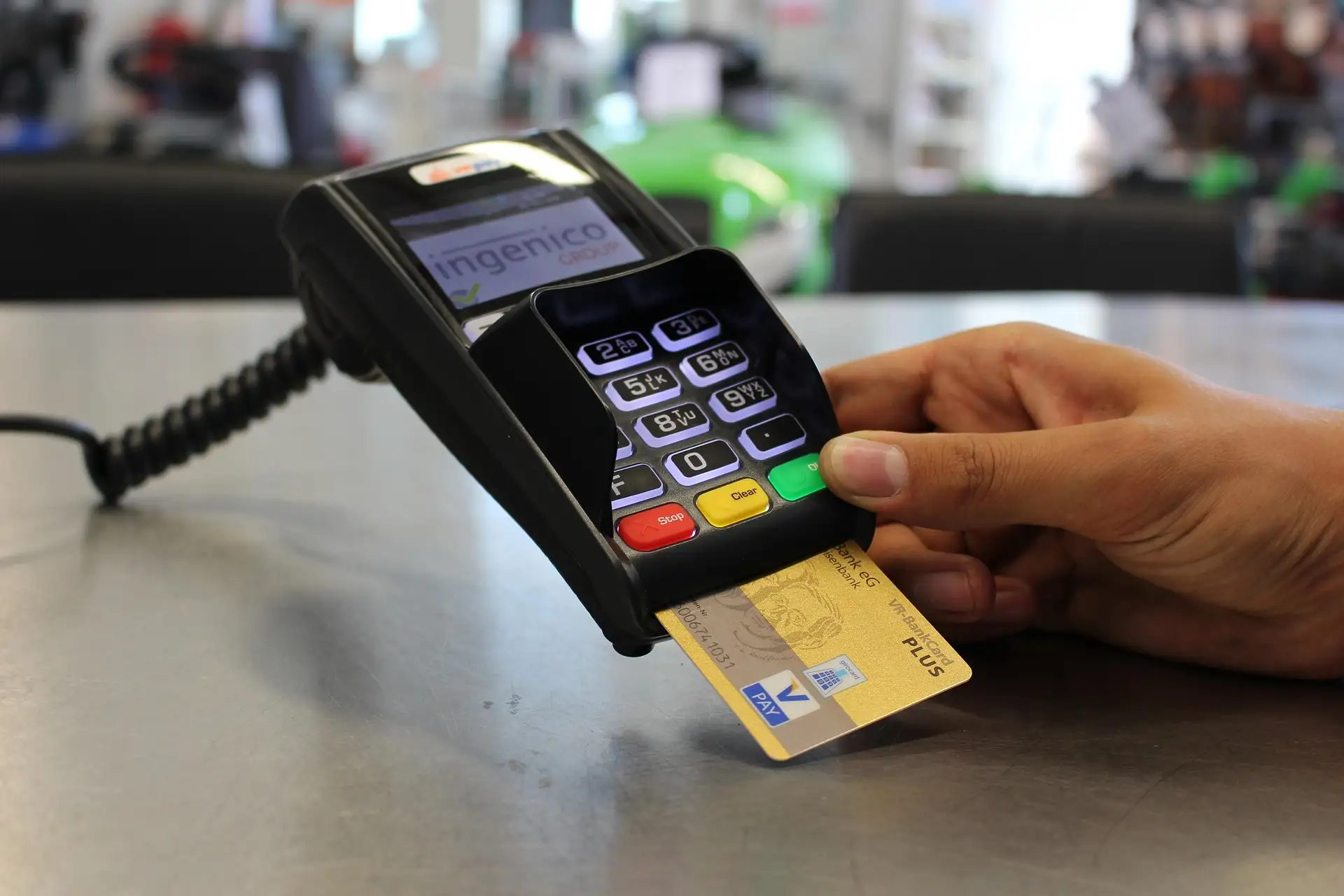
This is the route that actually works day to day. A crypto-funded card is an ordinary Visa or Mastercard linked to a balance held by a crypto platform. When you tap it, the provider sells the required amount of crypto and settles in Australian dollars. The merchant sees a normal card payment and has no idea crypto was involved — which is exactly why it works everywhere.
CoinJar's card is the best-known Australian example, and the platform has operated locally since 2013. It means you can spend crypto at Woolworths, at a Newtown pub, at a petrol station on Parramatta Road, or anywhere else the card network reaches, without any of them needing to support crypto at all.
Two things to understand before you rely on one. The conversion spread is where the provider makes money — it is not usually shown as a fee, it is embedded in the rate applied at the moment of sale, and it can be wider than an exchange spread. And the record-keeping load is substantial: every single tap is a separate disposal that needs an AUD value and a matched cost base. Twenty coffees a month is 240 CGT events a year on one card.
If a card is your plan, choose a provider that produces a clean, exportable transaction history with AUD values attached. That report is the difference between a manageable tax return and a genuinely painful one.
Need a platform to convert through? Hold, trade and withdraw from one licensed account with exportable history.
Open an accountThe gift card route
The second reliable route is buying gift cards with crypto. Several services let you pay in Bitcoin or other assets and receive a digital gift card for an Australian retailer, delivered by email within minutes. The coverage includes supermarkets, department stores, fuel, electronics and hospitality brands.
Its advantages over a card are that you do not need to hold a balance with a card provider, and you can convert a specific amount for a specific purchase rather than leaving crypto sitting in a spending account. Its disadvantages are that it requires forward planning, the exchange rate applied is set by the service and embedded rather than disclosed, and unspent card balances have a way of being forgotten.
As a record-keeping matter, it is actually the better option: one deliberate disposal for a known amount beats dozens of small automatic ones. We cover the services, the fee structures and the scam warning that belongs alongside this topic in our crypto gift cards and vouchers guide.
Merchants that accept crypto directly
Direct acceptance in Sydney exists but is genuinely scattered. You will find it among independent cafés and bars whose owners are personally interested, some online Australian retailers, a number of professional service firms — accountants, lawyers and consultants who work with crypto clients — and occasional hospitality and tourism operators.
We deliberately do not publish a merchant directory, and we want to be upfront about why. Crypto acceptance turns over constantly: businesses enable it, a payment processor changes terms, the enthusiastic staff member leaves, and the sticker in the window stops meaning anything. A list published today misleads readers within months, and turning up somewhere expecting to pay in Bitcoin and being told no is a worse outcome than not trying.
If direct payment matters to you, ask before you go. And note that where merchants do accept crypto, they almost always use a payment processor that converts to AUD instantly — so functionally it is the same conversion happening one step further along the chain.
- Most reliable route
- Crypto card
works anywhere the network is accepted - Best for records
- Gift cards
one deliberate disposal, not dozens - Every purchase
- A CGT event
with an AUD value you must record
The tax catch nobody mentions
Here is the part that most "spend your crypto" content skips entirely, and it is the single most important thing on this page for an Australian.
The ATO treats crypto as a CGT asset, not as money. So when you spend it, you are disposing of an asset — exactly as if you had sold shares to pay for lunch. You need the Australian dollar market value at the moment of the transaction, and your original cost base for the specific parcel you spent, and you report the gain or loss.
Multiply that by every coffee, every tank of fuel, every grocery run on a crypto card, and you have created hundreds of small CGT events in a year. Each one individually trivial; collectively a genuine administrative burden, and one the ATO can cross-check because Australian platforms report data.
There is a personal use asset exemption in the legislation, and people reach for it constantly. It is far narrower than hoped: it generally contemplates acquiring and using crypto within a short window specifically to buy personal goods or services, and it does not rescue someone who bought Bitcoin as an investment years ago and now spends it. Do not plan around it without advice. Our Sydney crypto tax guide covers the detail.
- Every tap
- A separate disposal requiring an AUD value and a cost base
- What you need
- Date, AUD market value, cost base of the parcel spent, fees
- Personal use exemption
- Narrow. Applied restrictively. Do not assume it covers you
- Practical answer
- Use a provider with clean exportable AUD-valued history
Why most people who set this up stop using it
The pattern we see among Sydney readers who set up crypto spending is fairly consistent. There is an initial burst of enthusiasm — the novelty of buying groceries with Bitcoin is genuinely fun. Then the first tax season arrives, they see what several hundred micro-disposals look like in a reconciliation tool, and the card goes in a drawer.
The people who keep using it long term tend to do one of two things. Either they spend only from a stablecoin balance, where the disposal gain on each transaction is near zero and the record-keeping is trivial. Or they treat it as an occasional deliberate act — a few larger purchases a year rather than daily spending — which keeps the number of events manageable.
Neither is exciting advice, but both work, and both are considerably better than discovering the problem in October.
A practical spending setup
If you want to actually use crypto in Sydney without creating a tax nightmare, this is the shape of it.
Separate the pots
Keep long-term holdings in self-custody and untouched. Move only a spending allocation to whichever platform funds your card.
Consider stablecoins
Spending from a stable-value balance makes each disposal near-zero-gain and the record-keeping almost trivial.
Pick exportable history
Choose a provider whose transaction export includes AUD values. This is the single most important feature for an Australian.
Batch where you can
A few gift card purchases a year beats hundreds of card taps for both cost and paperwork.
Paying bills and larger purchases
Beyond everyday spending, a few Australian services let you settle bills — including BPAY billers — by paying in crypto and having the provider convert and pay in Australian dollars. It works, fees and availability vary between providers, and services in this niche appear and disappear, so check current terms rather than trusting an article.
For genuinely large purchases — a car, a deposit, a business payment — the sensible route is not a spending product at all. Sell deliberately through an exchange, or through an OTC desk above roughly A$20,000, withdraw Australian dollars to your bank, and pay normally. You get better pricing, one clean disposal to record, and documentation an accountant or a vendor will accept without questions. Our guide to selling Bitcoin in Sydney covers the process, including the bank holds that catch people out on large inbound transfers.
The general principle: spending products are for convenience at small scale; selling is for amounts that matter. Mixing them up costs you either money or paperwork, usually both.
- Choose a card provider whose export includes AUD transaction values — you will need them.
- Spend from a stablecoin balance if you want the record-keeping to stay manageable.
- Never assume a Sydney merchant accepts crypto. Ask first.
- For anything large, sell deliberately and pay in Australian dollars.
Frequently asked questions
Can you actually spend Bitcoin in Sydney?
Yes, but rarely by handing Bitcoin to a merchant. The realistic routes are a crypto-funded debit card that converts at the point of sale, or buying gift cards with crypto and spending those. Direct merchant acceptance exists but is thin and concentrated among small independent businesses and online sellers.
What is a crypto debit card and does it work in Australia?
It is a Visa or Mastercard linked to a balance held by a crypto platform. When you tap it, the provider sells the required amount of crypto and settles the transaction in Australian dollars, so the merchant sees a normal card payment. CoinJar's card is the best-known Australian example. It works anywhere the card network is accepted.
Do I pay tax when I spend crypto in Australia?
Yes. Spending crypto is a disposal and a CGT event, whether you paid a merchant directly, bought a gift card, or tapped a crypto-funded card. You need the AUD market value at the moment of the transaction and your original cost base. The personal use asset exemption is narrow and the ATO applies it restrictively.
Which Sydney businesses accept cryptocurrency?
Acceptance is scattered rather than systematic — some independent cafés and bars, a number of online Australian retailers, some professional service firms, and businesses whose owners are personally interested. There is no reliable, current directory, and merchants come and go. Do not travel somewhere assuming crypto will be accepted; ask first.
Is it cheaper to spend crypto or sell it and spend dollars?
Usually similar, because a crypto card is selling on your behalf and taking a spread. The genuine differences are convenience and record-keeping. Selling deliberately on an exchange gives you one clean disposal to record; a card creates one every time you buy a coffee.
Can I pay bills with crypto in Australia?
Some payment services let you settle Australian bills, including BPAY billers, by paying in crypto and having them convert and pay the biller in AUD. Fees and availability vary and services change. As always, each payment is a CGT disposal.